01.1Flagship focus
Robotics
Planning, control and interaction: can an AI system turn an instruction into successful behavior?
Current published work includes simulation. Real-world execution is a separate question.
 Physical AI
How well can AI design physical systems
and operate them? We evaluate the capabilities
that connect intelligence to the physical world.
01 / Research focus
We study AI where decisions meet physical constraints. Robotics is our flagship focus, alongside the tools that design and simulate engineered systems.
Planning, control and interaction: can an AI system turn an instruction into successful behavior?
Current published work includes simulation. Real-world execution is a separate question.
Geometry, assemblies and engineering intent: can AI produce designs that hold up beyond a convincing image?
Design artifacts and simulation are evaluated within their stated scope.
Circuits, components and layout: how well can AI work within the constraints of electronic design?
A generated board design is distinct from fabricated and tested hardware.
02 / Selected published work
Published evaluations from RemakeBench, our benchmark for AI building and remaking games, with work extending into physical design and simulation.
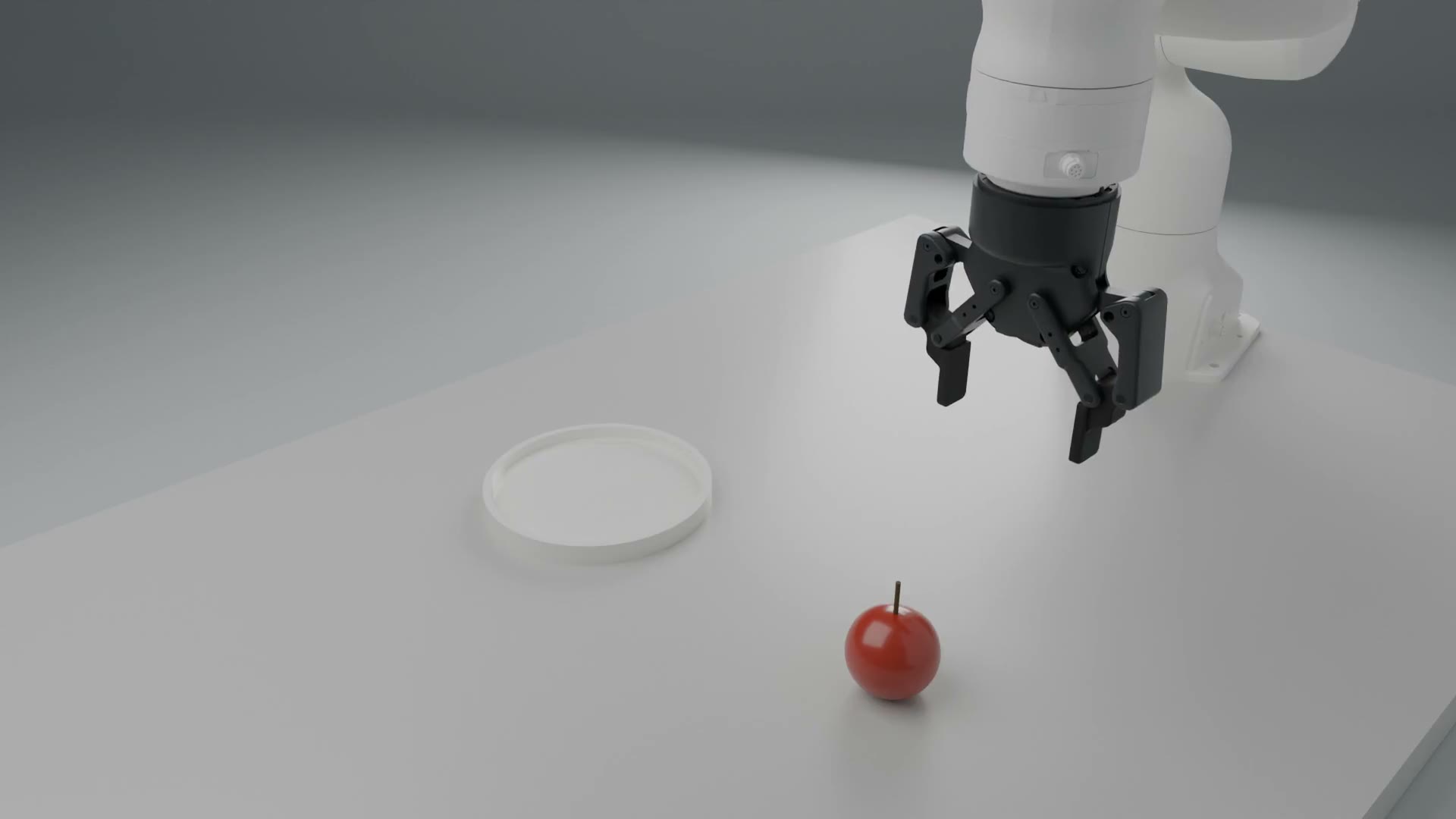
A published comparison across games, visual scenes, CAD, PCB and simulated robot tasks. Each round preserves its own evidence and outcome.
Read the evaluationSimulation is distinct from physical execution. Task-specific outcomes; no aggregate score.
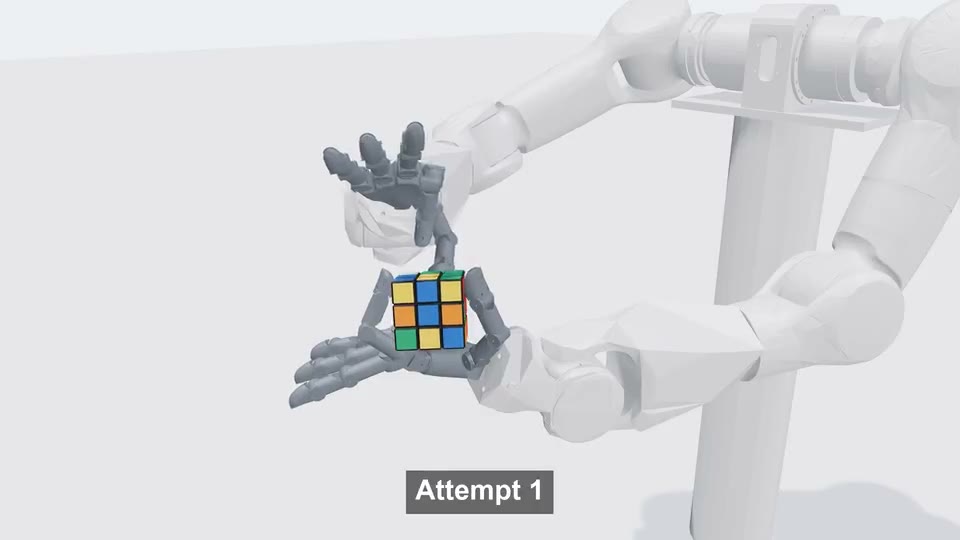
Four Flash models across game, graphics, CAD and simulated manipulation tasks. Single attempts reveal task-specific strengths and limitations.
Read the evaluationSingle attempts; campaign judgments and validated result-ledger records are distinct.

Nine frozen game-building and graphics tasks, with recorded attempts, configuration disclosures and limitations.
Read the evaluationA workflow comparison with disclosed tools. Single recorded attempts do not establish reliability.
Every result belongs to a particular task, setup and scope.
Visit RemakeBench03 / Our approach
Useful evaluation starts with a precise question and ends with something others can inspect. These principles guide our work.
Compare systems on the same tasks, with the same constraints and clearly stated evaluation criteria.
Describe the model, tools, prompts and environment needed to understand what was actually tested.
Inspect the resulting artifact or behavior. Distinguish design quality, simulated performance and physical execution.
Show the limitations alongside the successes, and link the evidence that supports each conclusion.
04 / Our benchmarks
Physical AI Analysis is the parent company. Our benchmark brands investigate specific capabilities.
A benchmark brand focused on AI playing games.
05 / Get in touch
Research questions, evaluation proposals
or a result worth looking into.